Nuotteja ja kirjoja kaupassa 58 724 kappaletta ● Erikoistuotteet tilauksesta
Avoinna ma-pe klo 11-18 | puh. 020 7070443 | Musiikkitalo, Mannerheimintie 13a B, 00100 HELSINKI | ostinato@ostinato.fi
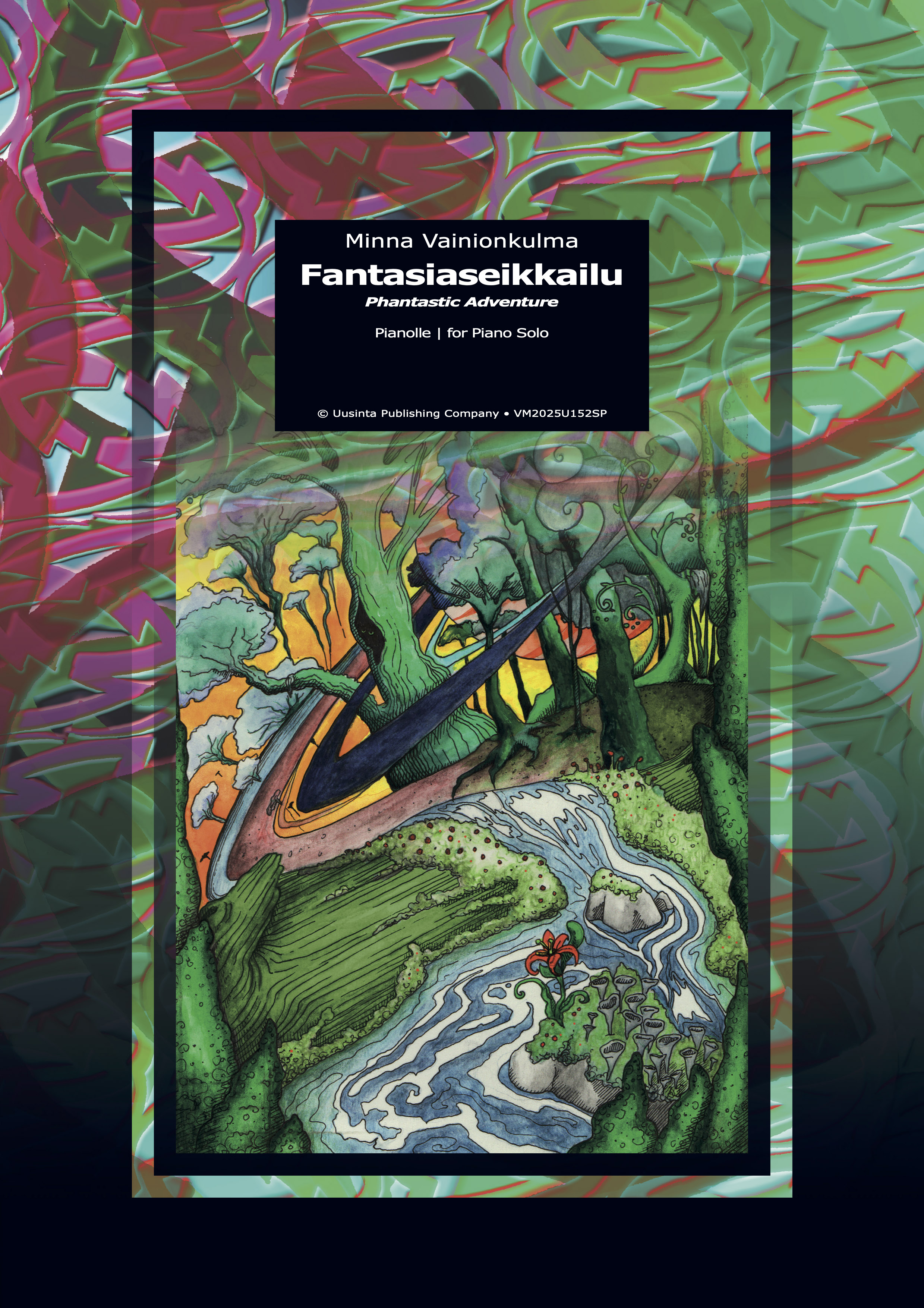




Mozart
Concerto D KV 537 (26) "Krönungs" (2pf)
Hinta: 28,87
€
Varastossa
Although Mozart’s penultimate piano concerto was completed on 24 February 1788, it was not premiered until 1789 in Dresden. A further performance in autumn 1790, as part of the celebrations in honour of Leopold II’s coronation as Emperor, led to the concerto’s now popular nickname.
In comparison to the series of large piano concertos from 1784–86, K. 537, with its numerous rapid scale passages and embellishments, looks more conventional at first glance, although it is precisely this more flexible structure that points ahead to forms of the early romantic period. In any case, it today numbers among Mozart’s most frequently played concertos.
Mozart specialist Andreas Staier has supplemented this Urtext edition with numerous practical performance suggestions (rendered as an ossia or in small print): he provides not only elegant entries, cadenzas, embellishments and fingerings, but also completes the sections of the solo part only fragmentarily preserved in the autograph. Henle thus offers a welcome alternative to the previously known version of the solo part, which contains additions made by the publisher Johann André in the posthumous first edition of 1794.
In comparison to the series of large piano concertos from 1784–86, K. 537, with its numerous rapid scale passages and embellishments, looks more conventional at first glance, although it is precisely this more flexible structure that points ahead to forms of the early romantic period. In any case, it today numbers among Mozart’s most frequently played concertos.
Mozart specialist Andreas Staier has supplemented this Urtext edition with numerous practical performance suggestions (rendered as an ossia or in small print): he provides not only elegant entries, cadenzas, embellishments and fingerings, but also completes the sections of the solo part only fragmentarily preserved in the autograph. Henle thus offers a welcome alternative to the previously known version of the solo part, which contains additions made by the publisher Johann André in the posthumous first edition of 1794.